
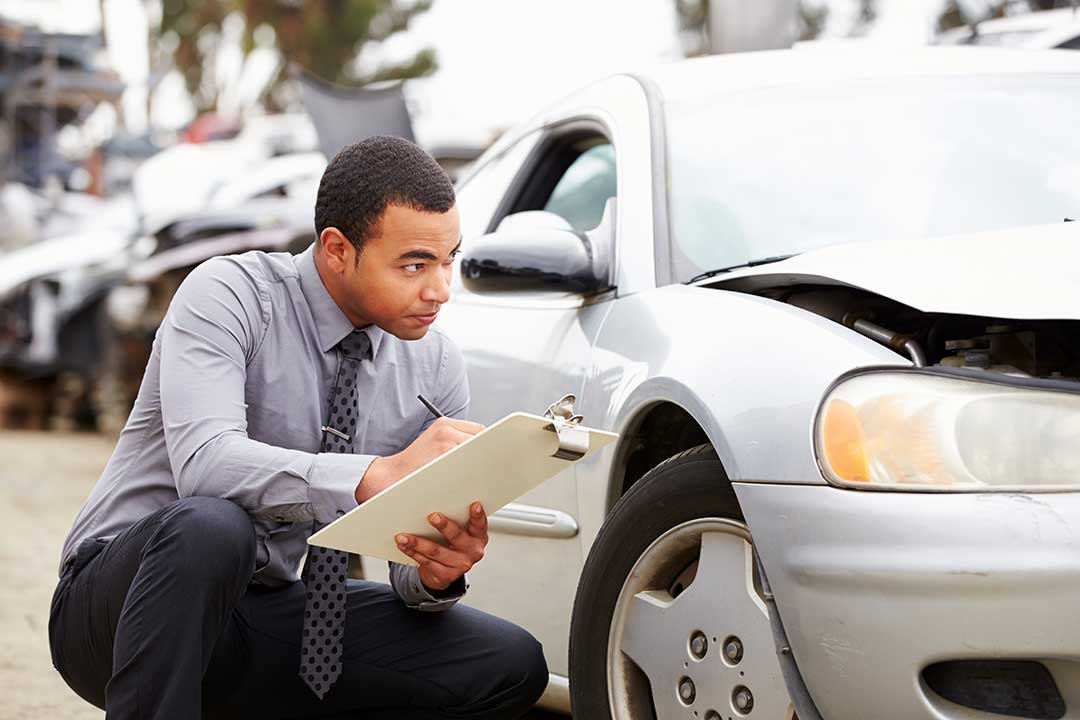
A car accident can leave drivers focused on injuries, vehicle damage, and immediate safety. Insurance decisions made in the first few hours can also affect how efficiently a claim is handled.
For residents of Ohio, the basic process is: protect people first, document what happened, exchange information, notify the appropriate authorities, and report the loss to the insurer promptly.
What should you do immediately after a crash?
First, check for injuries and move to a safe location if the vehicles can be moved without creating more danger. Turn on hazard lights and use warning devices if available.
Call 911 when anyone is injured, traffic is blocked, a vehicle cannot be safely moved, a driver appears impaired, or the other person refuses to provide identifying information. Cooperate with responding officers, but keep statements factual and avoid guessing about speed, fault, or what another driver intended.
If the crash occurs during snow, ice, heavy rain, or poor visibility, remain especially alert for passing traffic. Road conditions can make standing near a disabled vehicle dangerous, particularly on higher-speed roads or near busy intersections.
Do not leave the scene. Ohio law requires drivers involved in a collision to stop and provide identifying information. If a crash damages real property or property attached to real property and the owner cannot be located, the driver must notify the appropriate law enforcement agency within 24 hours.
What information should you exchange?
Obtain the other driver’s:
- Full name and contact information
- Driver’s license information
- Vehicle registration information
- License plate number
- Insurance company and policy information
- Names and contact information for passengers or witnesses
Use your phone to photograph insurance cards and vehicle documents when practical, but do not delay emergency care or create a safety risk.
Take photographs of the vehicles from several angles, including close-ups of damage and wider views showing lane positions, traffic signals, road conditions, debris, and nearby property. In winter, photographs may help document snow or ice conditions before they change.
Avoid arguing at the scene. Do not make statements such as “the crash was my fault” or “there is no damage.” Some damage or injuries become apparent later.
Should you call the police for a minor accident?
A police report is not required for every minor collision, but calling law enforcement is often wise when there is an injury, disagreement about what happened, suspected impairment, significant damage, or uncertainty about whether the other driver is insured.
An officer’s report does not automatically determine insurance liability. Insurers generally review the report along with photographs, statements, vehicle damage, witness information, traffic rules, and policy terms.
If officers do not respond to a minor crash, write down the date, time, location, weather, road conditions, direction of travel, and a description of what occurred while the details are fresh.
When should you notify your insurance company?
Notify your insurer as soon as reasonably possible, even if you believe the other driver caused the crash or the damage appears minor. Policies commonly contain notice requirements, and waiting can make evidence harder to preserve.
The initial report should include:
- The date, time, and location of the crash
- The names of drivers and passengers
- Whether anyone was injured
- Whether police responded
- A basic description of the collision
- Photos, video, witness information, and the report number if available
Report facts rather than conclusions. A statement such as “the vehicles collided while I was traveling straight through the intersection” is more useful than a quick legal conclusion about fault.
If the vehicle is unsafe to drive, ask the insurer what documentation is needed before arranging repairs or transportation. Keep receipts for towing, temporary transportation, storage, medical treatment, and other accident-related expenses
What does insurance usually cover after an Ohio crash?
Coverage depends on the policy and the facts of the collision.
Liability coverage generally pays for covered damage or injuries for which the insured is legally responsible, subject to policy limits. Collision coverage may apply to damage to the insured vehicle regardless of who caused the crash, usually subject to a deductible. Comprehensive coverage generally addresses non-collision losses, such as theft, falling objects, or weather-related damage.
Uninsured or underinsured motorist coverage may apply when the at-fault driver has no insurance or insufficient limits, depending on the policy and circumstances. Medical payments coverage, if included, may help with certain accident-related medical expenses regardless of fault.
A deductible is not the same as the total cost of a claim. It is the amount the policyholder typically pays toward a covered physical-damage loss before the insurer pays the remaining covered amount.
What if the other driver has no insurance?
Do not rely only on a verbal promise that the other driver will pay. Preserve the other driver’s identifying information, photographs, witness details, and any police documentation.
Ohio law allows a person involved in an accident to submit a written report to the registrar of motor vehicles within six months alleging that a driver or vehicle owner was uninsured at the time of the crash. The registrar may then require proof of financial responsibility.
That filing is separate from notifying an insurer. It does not replace an insurance claim, police report, medical documentation, or any legal deadline that may apply.
A driver may also need to provide proof of financial responsibility in connection with an accident report. Ohio law recognizes documents such as an insurance identification card, policy declarations page, or other approved proof.
What should you do about delayed injuries?
Seek medical attention for symptoms such as neck pain, headaches, dizziness, numbness, back pain, or worsening soreness. Some injuries are not obvious immediately after a collision.
Tell medical providers that the symptoms followed a motor vehicle crash and keep records of visits, prescriptions, restrictions, and out-of-pocket expenses. Avoid minimizing symptoms when speaking with an insurer or medical provider, but do not speculate about a diagnosis.
Insurance claims involving injuries can become more complicated than property-damage claims. The amount and availability of coverage may depend on medical evidence, policy provisions, fault, and the involvement of multiple vehicles or passengers.
What should you avoid after filing a claim?
Do not authorize permanent repairs before understanding the insurer’s inspection process, unless emergency work is necessary to prevent additional damage. Keep damaged parts or equipment when feasible until the insurer advises otherwise.
Do not discard receipts, change the vehicle’s condition unnecessarily, or post detailed statements about the crash on social media. Do not sign a release or settlement document without reading it carefully and understanding whether it resolves only vehicle damage or also injury claims.
Keep a claim file containing the claim number, adjuster’s contact information, estimates, photographs, police records, medical records, receipts, and copies of communications.
Ohio’s changing weather, commuter traffic, residential streets, and parking areas can produce collisions ranging from low-speed property damage to more serious crashes. A calm, documented process helps preserve information while allowing the insurer to evaluate the claim under the actual policy terms.